
Did you know that mastering the 4 Types of Pizza Dough can elevate your homemade pizzas to restaurant-quality? Throughout my journey testing these recipes, I learned that the right dough transforms an everyday meal into a delightful experience. With multiple attempts, I discovered unique textures and flavors that each dough brings to the table. Let’s explore these delicious varieties together! You can check out my favorite homemade pizza recipe here.
A Little Background on This Dish
Pizza is a beloved dish worldwide, with each region putting its unique twist on the classic recipe. The beauty of developing your own dough lies in the endless possibilities for flavor and texture. Whether you prefer a chewy Neapolitan style or a crisp thin crust, these four variations will have you covered.
Everything You Need
Quality ingredients make a significant difference. Choose organic flours when possible and opt for fresh yeast for the best rise. Don’t worry; many of these ingredients are staples in most kitchens!
- All-Purpose Flour: Perfect for classic and thin crusts; store in a cool, dry place to extend freshness.
- Instant Yeast: A fast-acting leavener; ensures a quick rise, making your dough ready in no time.
- Salt: Enhances flavor; always make sure to mix it well into the flour to avoid uneven seasoning.
- Olive Oil: Adds richness; extra virgin is best for flavor, but regular olive oil works too.
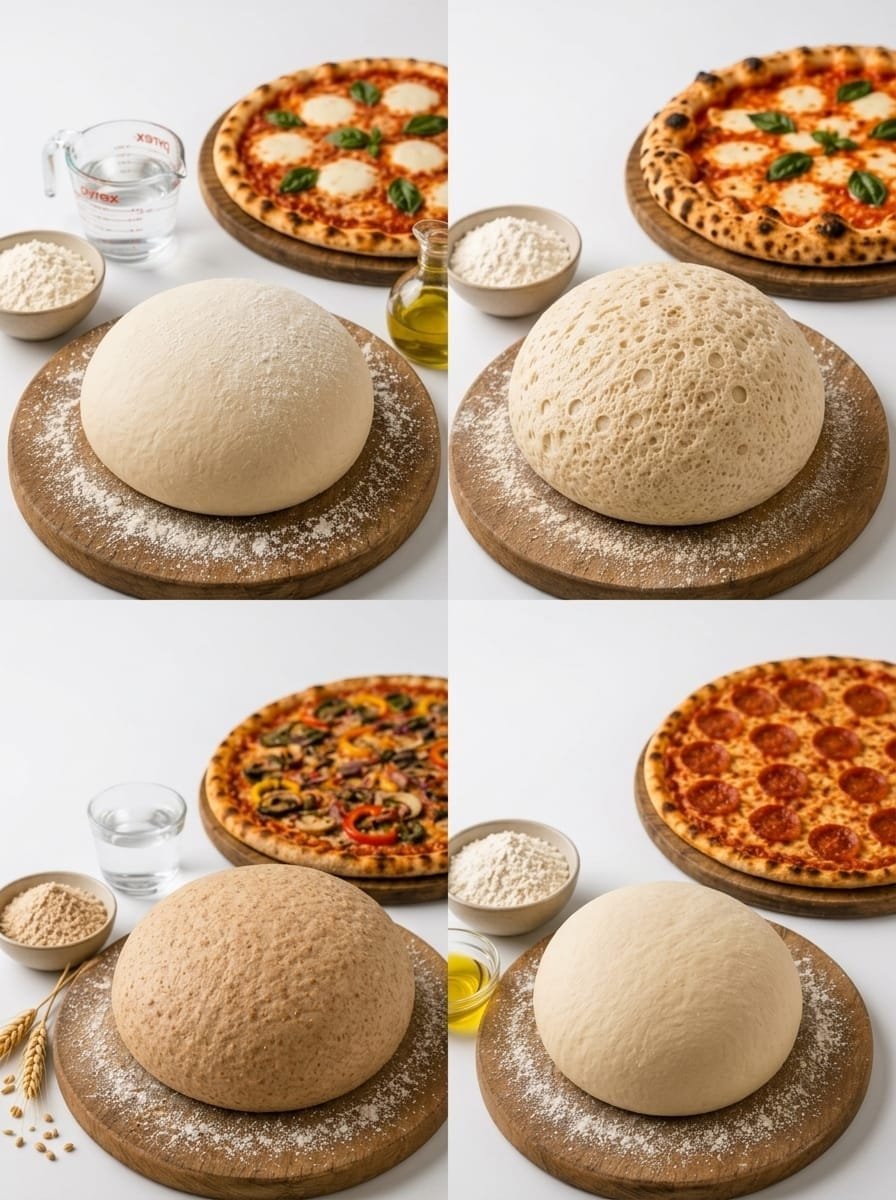
The Technique That Makes It Work
Resting the dough is crucial for developing flavors and textures. During this time, the gluten network strengthens, making the dough more elastic. This elasticity allows for better stretching and a chewier crust, characteristic of great pizza.
Step-by-Step Instructions
- In a large bowl, combine the flour, yeast, and salt, noting how dry the flour feels before any liquid is added.
- Add warm water and olive oil, watching as the flour begins to absorb the liquid, forming a shaggy dough.
- Knead the dough for about 8–10 minutes until it feels smooth and elastic, enjoying the tactile sensation of the gluten developing.
- Let the dough rise in a warm spot for 1 hour or until it doubles in size, filling your kitchen with a lovely yeasty aroma.
- Once risen, shape the dough into your desired pizza base, ready to layer with toppings.
Pro Tips from My Kitchen
- Using warm water just above room temperature helps to activate the yeast more quickly, leading to better rise each time.
- I often see dough failing to rise due to cold temperatures; keep the dough in a warm area, especially in winter months.
- Substituting some all-purpose flour with whole wheat can give a nutty flavor; just remember to add a bit more water.
- This dough can easily be doubled for a pizza party; just ensure to allocate enough resting time.
Serving Ideas
Serve a classic Margherita pizza with your homemade dough, topped with fresh basil and buffalo mozzarella, or try a BBQ chicken flatbread using the leftover dough for an easy weeknight meal. For more fun combinations, check out my Homemade Pizza Dough and Pizza Pie Recipe.
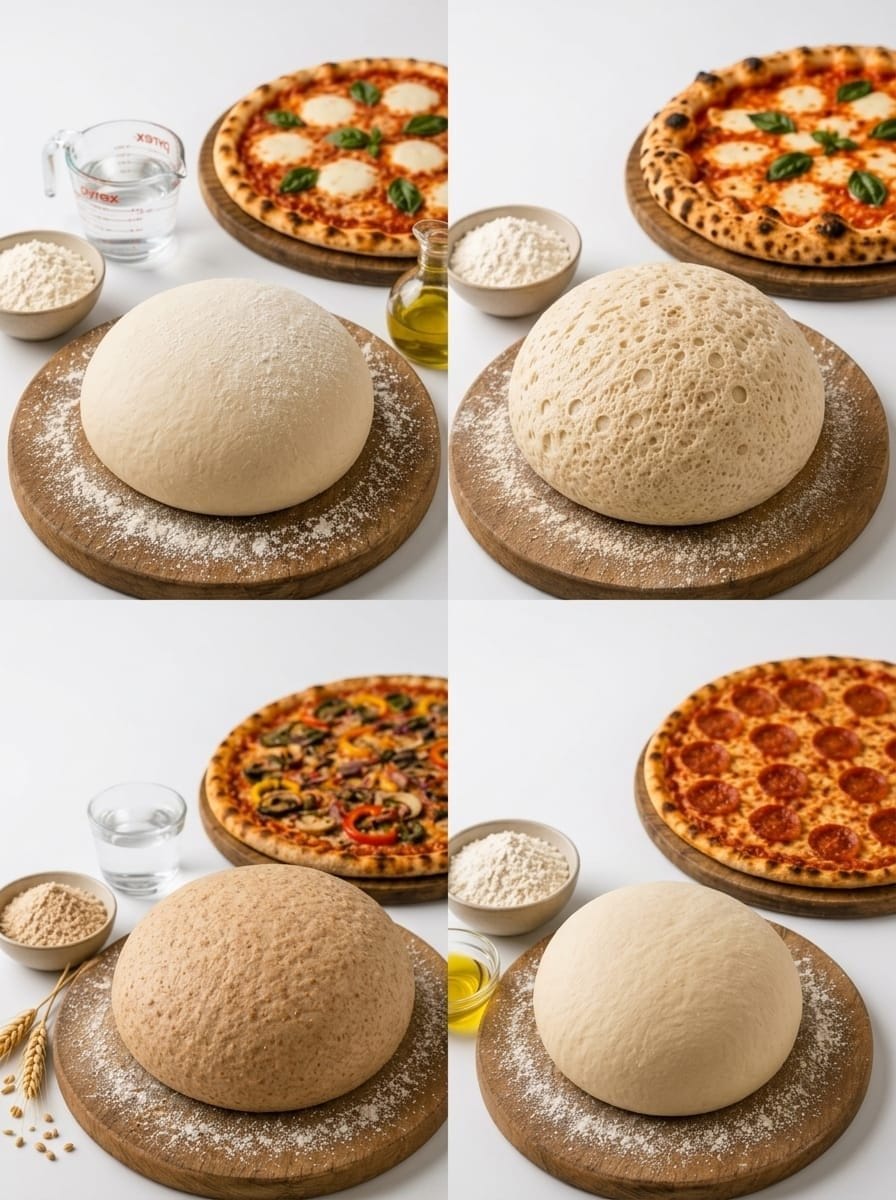
Storage, Freezing & Meal Prep Guide
Store any unused dough in an airtight container in the fridge for up to 3 days. For longer storage, wrap it tightly and freeze for up to 3 months. When reheating, let it come to room temperature before rolling out for optimal texture.
Reader Questions Answered
- What can I substitute for instant yeast? Active dry yeast can be used, but allow for a longer rise time to activate.
- How can I prep this dough ahead of time? Make the dough and refrigerate for up to 3 days, or freeze for up to 3 months.
- Can I use gluten-free flour? Yes, but you may need to adjust the liquid and add a binding agent like xanthan gum.
- How can I tell when the pizza dough is ready? The dough will double in size and feel noticeably lighter and airy when it has risen adequately.
- Can I scale the recipe for bigger batches? Absolutely! Just keep the same proportions and ensure adequate rise time.
- What’s the best way to store leftover pizza? Keep it in an airtight container in the fridge for up to 3 days. Heat in the oven to retain crispness.
With these 4 Types of Pizza Dough in your repertoire, you’re on your way to crafting delicious pizzas right at home. My favorite way to enjoy it is with a classic Margherita topped with fresh basil. I hope you give these a try and share your experience in the comments below!
More Recipes You’ll Love
- Homemade Pizza Dough – the base for all your favorite toppings.
- Jalapeno Popper Soup – a spicy twist that pairs well with cheesy pizzas.
- Pizza Pie Recipe – explore different topping combinations with your dough.
- Pepperoni Pizza Quesadillas – a fun take on pizza flavors.
- BBQ Chicken Flatbread Pizzas – perfect for a quick, delicious pizza night.
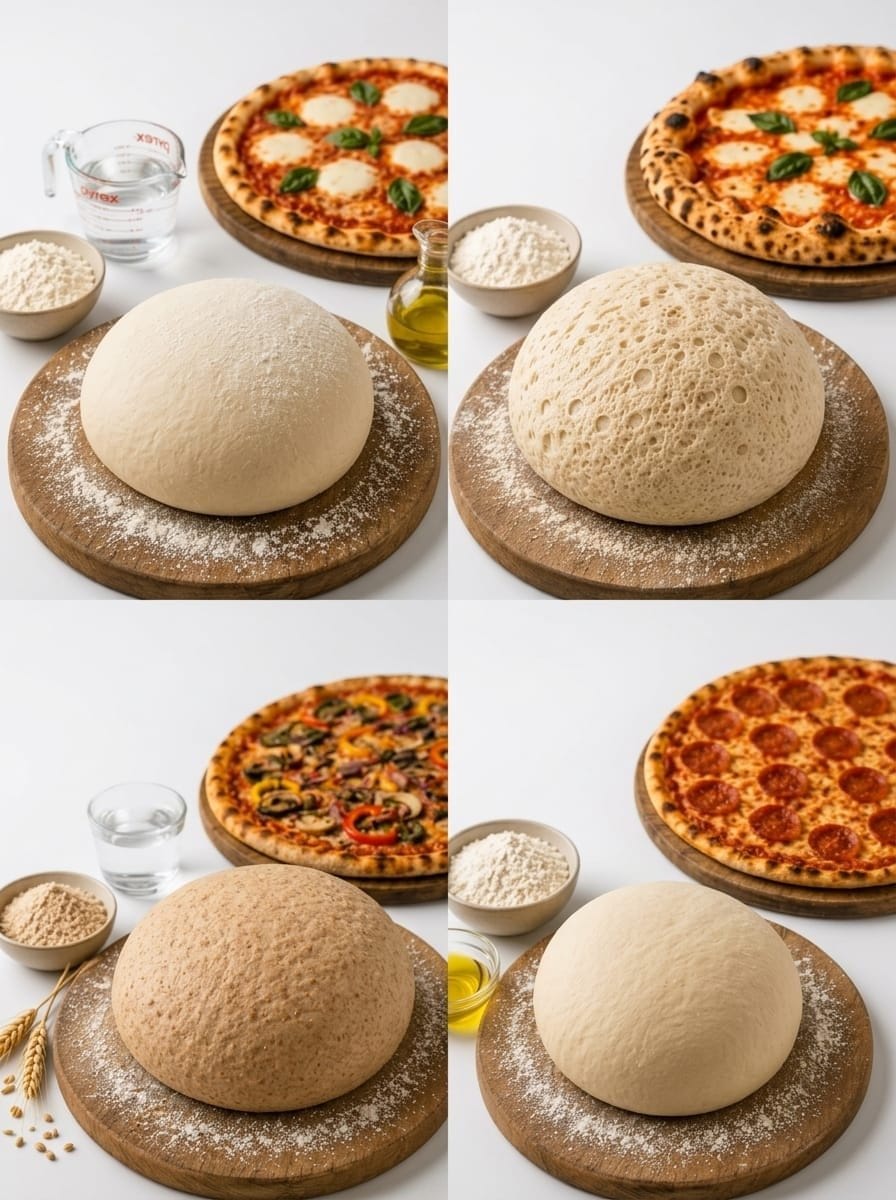
4 Types of Pizza Dough
Ingredients
- 2.5 cups all-purpose flour
- 2 tsp instant yeast
- 1 tsp salt
- 1 tbsp avocado oil for a milder flavor
- 1 cup warm water
Instructions
- In a large bowl, mix the all-purpose flour, instant yeast, and salt. The flour should feel light and fluffy.
- Add the warm water and avocado oil, then stir until a shaggy dough begins to form.
- Knead the dough on a floured surface for about 8–10 minutes, until it feels smooth and elastic.
- Cover the bowl with a damp cloth and let it rise in a warm area for about an hour, until it doubles in size and smells yeasty.
- Once doubled, shape the dough into a round pizza base, ready for your favorite toppings.
- Bake in a preheated oven at 220°C (425°F) for 12–15 minutes, until the crust is golden and crisp.