
Did you know that a classic buttercream frosting recipe relies on just four simple ingredients? After testing this buttery delight multiple times, I found that patience and technique can elevate it from ordinary to extraordinary. Join me in creating a frosting that’s not just sweet, but a canvas for your creativity. For more tips on baking, check out my Creamy Vanilla Cake recipe.
A Little Background on This Dish
Buttercream frosting has roots deep in American baking culture, celebrated for its smooth texture and rich flavor. It’s a go-to choice for frosting cakes and cupcakes, providing a sweet finish that complements countless flavors. Knowing how to whip up this frosting means you’re ready for any celebration!
Everything You Need
Sourcing high-quality ingredients is a must for the best results. This recipe keeps it simple, ensuring you can keep ingredients on hand without stress.
- Salted Butter: Opt for high-quality butter for a rich flavor, as it plays the leading role in this frosting. Make sure it’s softened but not melted for the best creamy texture.
- Powdered Sugar: This is your sweetener and thickener; sift it for smoother mixing and avoid lumps.
- Vanilla Extract: For depth and aroma, use pure vanilla extract when possible to enhance the overall flavor.
- Heavy Cream or Milk: This helps achieve the desired consistency; start with less and add more as needed. If you’re short on cream, whole milk works just fine.
The Technique That Makes It Work
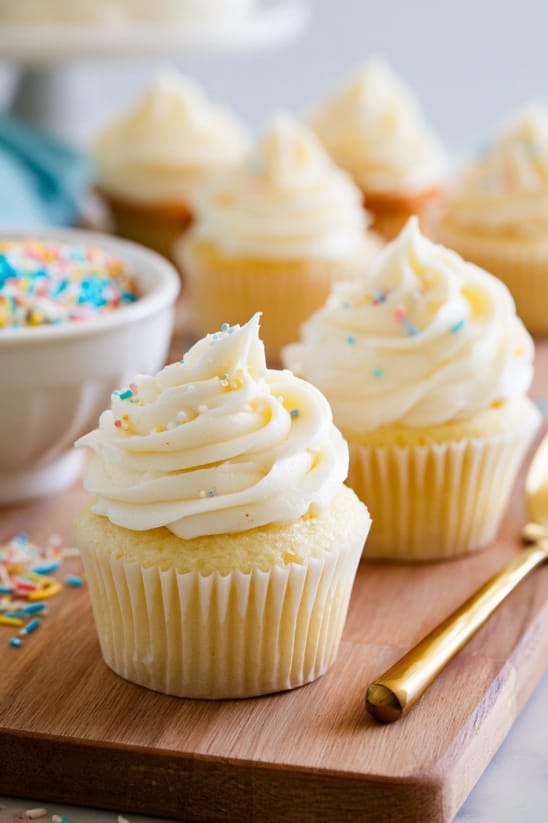
The key to a successful buttercream frosting is whipping air into the mixture. This creates a light, fluffy texture that spreads easily. The science behind it is simple: incorporating air also lightens the density, leading to a more stable frosting that holds its shape. It’s essential to beat the butter until it’s super creamy before adding any sugar to achieve that perfect mouthfeel.
Step-by-Step Instructions
- Place the softened butter in a mixing bowl and beat on low until the butter is creamy and just slightly pale in color.
- Add 1 cup of powdered sugar along with the vanilla extract, mixing on low speed until the dry sugar is combined with the butter. The mixture may look crumbly at first—don’t worry!
- Gradually add the remaining powdered sugar, mixing well until everything is absorbed. The texture will thicken, which is normal. If it feels too dry at this stage, you might think about incorporating just a teaspoon of heavy cream.
- Slowly add heavy cream or milk, one tablespoon at a time, increasing the mixer speed until medium-high. Beat until it becomes fluffy and fully aerated—this should take 2-3 minutes.
- Color the frosting with gel food coloring if desired, mixing until evenly distributed before use. Best to pipe or frost your cupcakes or cakes right after mixing for optimal results!
Pro Tips from My Kitchen
- After making this buttercream frosting recipe multiple times, I discovered that letting the butter sit out at room temperature for a full hour gives the best texture. Go for it!
- A common mishap is adding too much liquid, which can make your buttercream too soft. Always start with less fluid; you can always add more if needed.
- For an interesting twist, consider adding a touch of almond extract for a unique flavor profile. It’s subtle yet elevates the overall experience!
- If you plan to make this ahead of time, you can store it in an airtight container in the fridge for about a week. Just re-whip it briefly before using for the freshest texture.
Serving Ideas
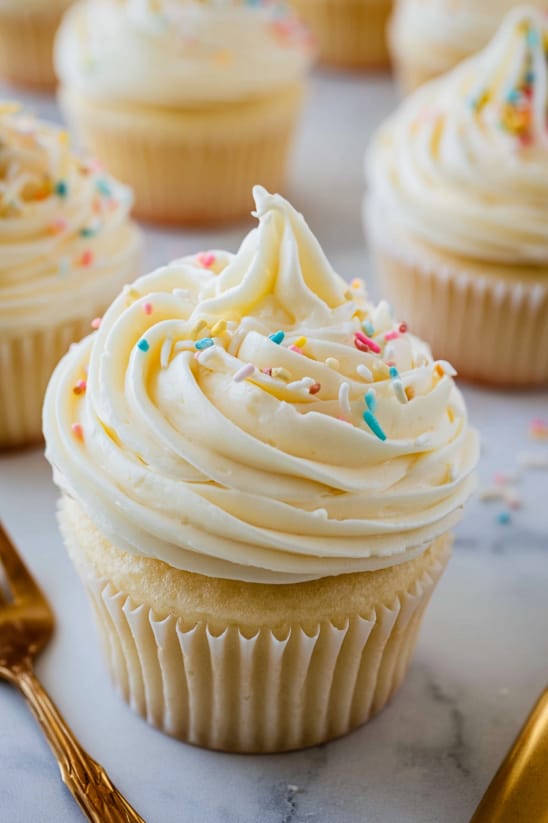
This buttercream frosting isn’t just for cakes—try it on freshly baked cupcakes or spread it generously on brownies for a decadent touch. For something fruity, top off your favorite Strawberry Shortcake recipe. Or, consider layering it between cake rounds in a Creamy Vanilla Cake—it really adds that luscious finish!
Storage, Freezing & Meal Prep Guide
Your buttercream can be stored in an airtight container in the fridge for up to 5 days. For longer preservation, consider freezing it for up to 3 months. Just make sure to place it in a freezer-safe container, ideally with a layer of plastic wrap tightly over the frosting before sealing to prevent freezer burn. When you’re ready, let it thaw overnight in the fridge, then re-whip for a smooth consistency.
Reader Questions Answered
- What can I use instead of heavy cream? You can substitute half-and-half or whole milk, but your frosting may be slightly less rich.
- Can I freeze buttercream frosting? Yes! Its texture holds up well in the freezer, just re-whip after thawing.
- How can I make this recipe dairy-free? Use dairy-free butter and a non-dairy milk like almond or oat milk for a tasty alternative.
- What’s the best way to achieve a smooth finish? Start by beating the butter well and then gradually add sugar; scrape down the bowl often for even mixing.
- How do I adjust the sweetness? You can reduce the amount of powdered sugar for a less sweet frosting, or add a pinch of salt to balance flavors.
- What’s safe food handling for buttercream? Always store your frosting at the correct temperatures and only use clean utensils to avoid contamination.
Making this buttercream frosting recipe gives you a sense of satisfaction like no other. Whether you’re frosting a cake for a birthday or just enjoying a cupcake on a rainy day, this frosting is sure to elevate any treat. My personal favorite way to savor it? Slathered over a slice of chocolate cake. If you try it, let me know how it goes in the comments below!
More Recipes You’ll Love
- Deviled Egg Macaroni Salad – a deliciously creamy side dish that pairs wonderfully with sweet desserts.
- Banana Pudding Recipe – a classic dessert that harmonizes well with the buttery sweetness of buttercream frosting.
- Strawberry Shortcake Recipe – a delightful combination where buttercream frosting enhances the fresh fruit flavors.
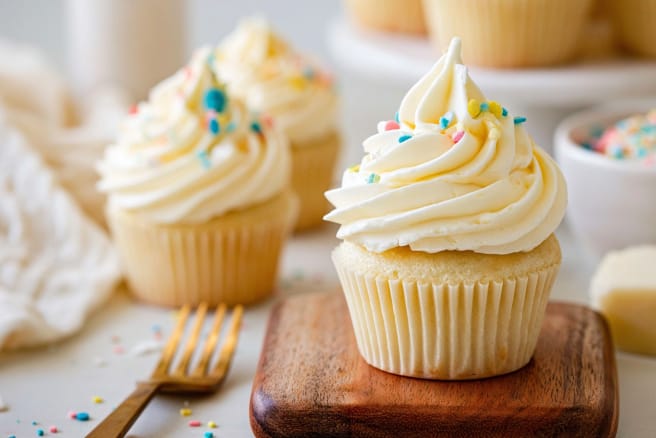
Creamy Vanilla Buttercream Frosting
Ingredients
- 1 cup unsalted butter softened
- 4 cups powdered sugar
- 2 teaspoons vanilla extract
- 3 tablespoons almond milk or more as needed
Instructions
- In your trusty stand mixer, whip the softened butter on a low setting until it reaches a smooth and creamy texture.
- Carefully add one cup of powdered sugar with vanilla extract and blend at a low pace. Slowly incorporate the rest of the sugar until fully integrated, noting the dry appearance at first.
- Add almond milk one tablespoon at a time, maintaining a gradual increase in mixing speed to medium-high. Continue to whip until the frosting feels light and airy.
- For vibrant hues, incorporate your preferred gel food coloring now, stirring until even.
- Feel free to pipe or spread this delightful frosting onto cupcakes or cakes immediately. For storage tips, consult the main post.