
It’s one of those busy weeknights, and your fridge is looking a bit sparse. The kids are asking for something exciting, and takeout seems tempting again. Enter my pad thai recipe — a delightful fusion of sweet, tangy, and nutty flavors you can whip up in no time, straight from your kitchen. With just a few specialty ingredients, you can transform your midweek meal into something extraordinary. Plus, check out my carrot cake oatmeal cookies for a sweet treat afterwards!
Is pad thai recipe Worth Making?
Absolutely! After multiple attempts perfecting this pad thai recipe, I discovered it’s not just another noodle dish; it’s comforting and satisfying with a rich flavor profile. I was surprised by how quickly it comes together once you get the hang of it — it’s perfect for busy families. This dish is great for anyone who wants to make an exciting dinner without lots of fuss.
- Ready in about 30 minutes, making it a quick option for weeknights.
- Ingredients are generally inexpensive, and many are pantry staples.
- Kids love the mix of flavors, making it a family-friendly choice.
- Easy to adapt for dietary needs, whether vegetarian or gluten-free.
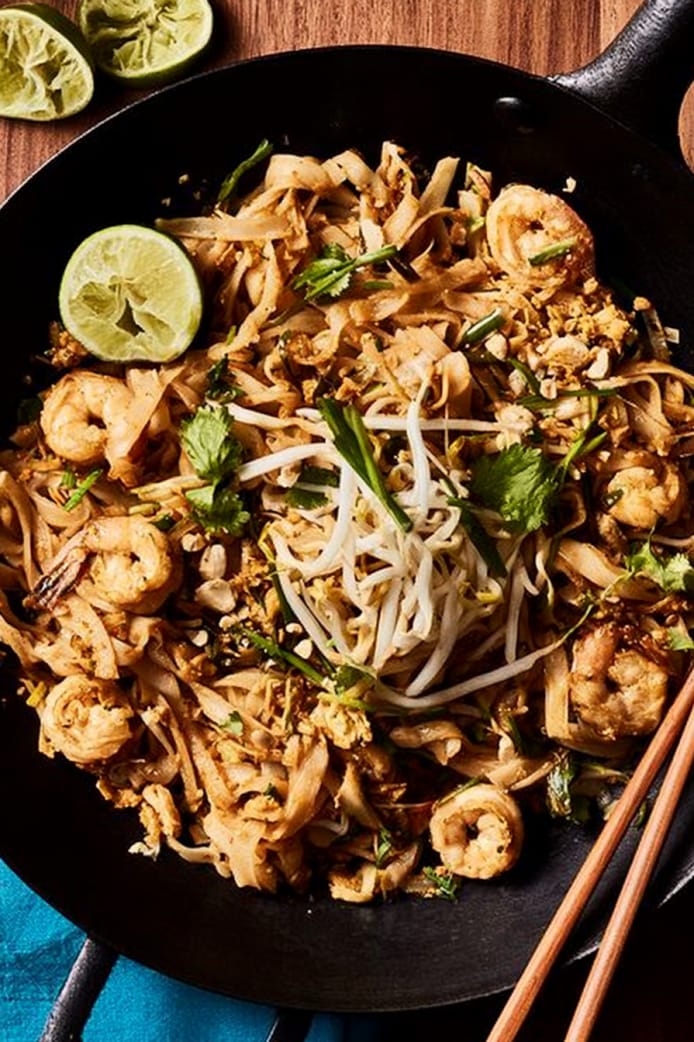
Ingredient Breakdown
- Rice Noodles: Essential for that chewy texture. Consider using gluten-free if needed.
- Shrimp: Adds protein and a sea-sweet flavor. You can substitute with tofu for a vegetarian option.
- Palm Sugar: Provides a unique sweetness; brown sugar works in a pinch.
- Tamarind Puree: Brings depth and tang; if unavailable, a bit of lime juice can suffice in flavor.
How to Make It — Clear Simple Steps
- To start, soak 8 oz. rice noodles in boiling water until tender, about 20–30 minutes. You’ll know they’re ready when they’re pliable yet firm to the bite.
- In a hot wok, pour 1 Tbsp. of oil, adding 1 lb. medium shrimp. Cook until they turn a lovely pink, about 2–3 minutes, then set aside.
- Use the same wok for 3 large eggs. Scramble gently until just set, about 1–2 minutes, then return the shrimp to the pan.
- Mix your sauce ingredients, pour over and toss the noodles in, ensuring every noodle is well coated. Add in your 1 cup of bean sprouts for a crisp finish.
Common Mistakes and How to Avoid Them
- Overcooking the noodles can lead to mushiness. Make sure to soak them just until tender, as they’ll continue cooking in the wok.
- Adjusting the heat too high can result in burnt garlic and shallots, which alters the dish’s flavor. An even medium heat helps everything meld.
- On my first try, I accidentally used too much tamarind, resulting in an overly tangy dish. I learned to taste as you go — balance is key!
Easy Variations to Try
- Add Thai chilies for an extra kick or switch to sweet chili sauce for a milder version.
- Swap out shrimp for tofu or chickpeas for a satisfying vegetarian option.
- Incorporate seasonal veggies like bell peppers or snap peas for added color and flavor.
Make-Ahead, Storage & Reheating
This pad thai recipe keeps well in the fridge for up to 3 days. For longer storage, you can freeze it for about 1–2 months. Consider using airtight containers to maintain flavor. When reheating, use a skillet over medium heat for about 5 minutes, adding a splash of water to keep it from drying out. I found that the noodles maintain their texture surprisingly well, making them just as enjoyable later!
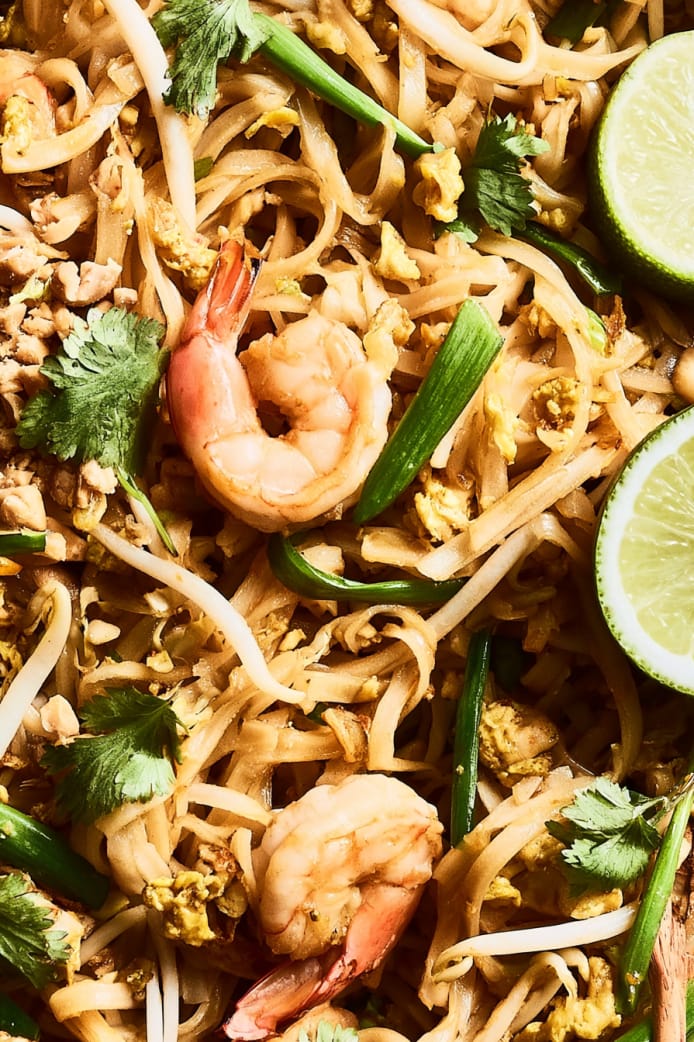
Frequently Asked Questions
- Can I use whole wheat noodles for pad thai? Yes, just be aware they may alter the cooking time slightly.
- What’s the role of tamarind in pad thai? Tamarind adds that distinct tanginess that balances out the other flavors beautifully.
- How can I make this dish gluten-free? Substitute regular soy sauce with tamari and ensure the noodles are gluten-free.
- Is pad thai better with or without peanuts? Peanuts add a delightful crunch, but feel free to omit them for a nut-free version.
- How spicy is traditional pad thai? The spice level can be adjusted based on preference. Start with a little cayenne, and add more if desired!
- Can I make pad thai vegetarian? Absolutely! Replace shrimp with tofu or beloved veggies for a satisfying option.
Ultimately, this pad thai recipe is your answer to a quick, flavorful dinner on those hectic evenings. Not only is it simple to follow, but it also opens doors to endless variations. I’d love to hear about your creations in the comments below!
More Recipes You’ll Love
- Creamy Garlic Pork Chops – a rich and flavorful dish that pairs well with the bold flavors of Pad Thai.
- Garlic Parmesan Chicken Meatloaf – shares similar garlic notes that enhance the savory profile.
- Creamy Bacon Ranch Slaw Cups – a refreshing side that complements the spice of Pad Thai beautifully.
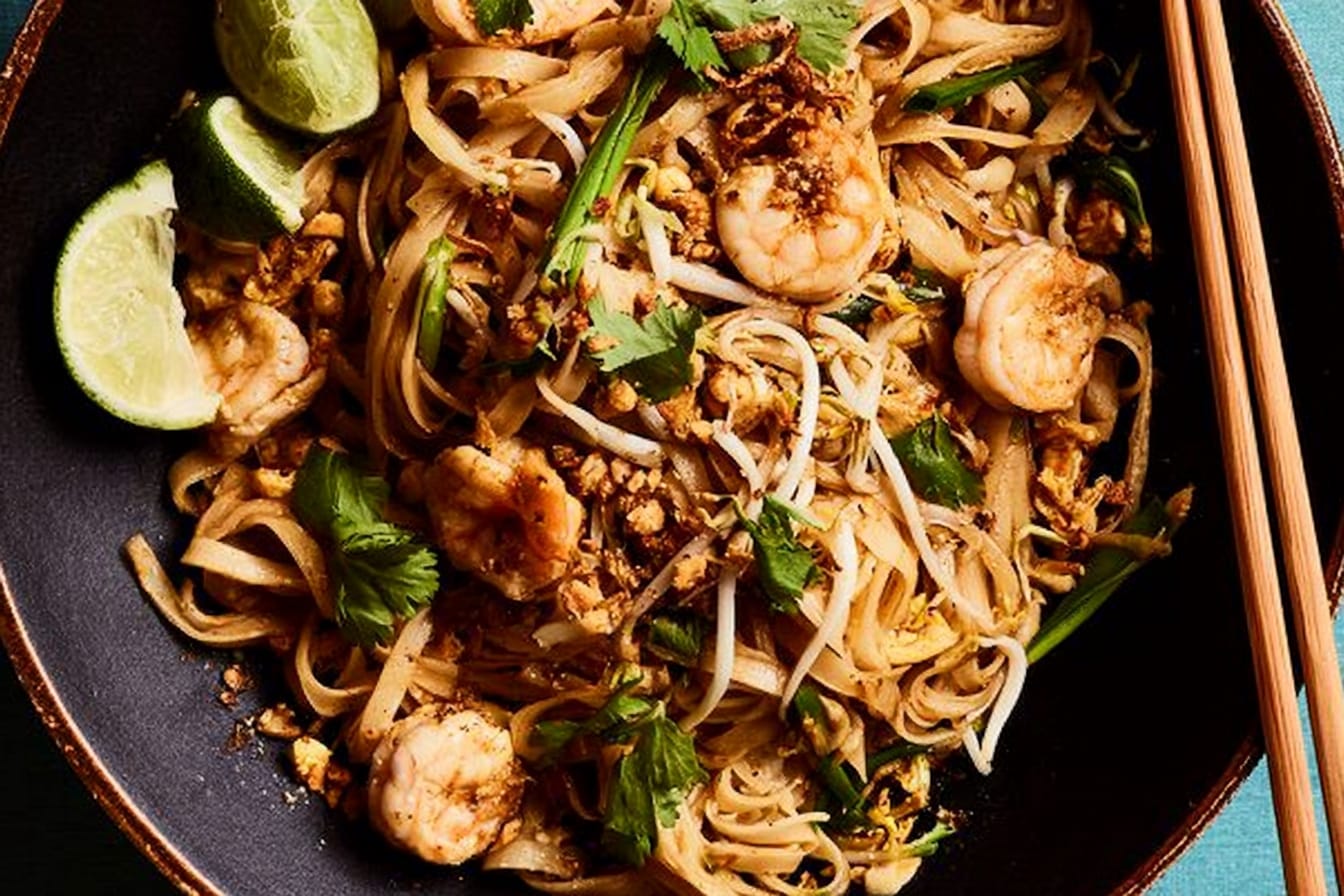
Authentic Pad Thai
Ingredients
- 8 oz rice noodles broken in half
- 6 tbsp peanut oil divided
- 1 lb medium shrimp peeled, deveined, tails removed
- 3 large eggs
- 3 tbsp palm sugar
- 3 tbsp Thai fish sauce
- 2 tbsp tamarind puree
- 1 tbsp fresh lime juice plus lime wedges for serving
- 0.25 tsp cayenne pepper
- 1 medium shallot finely chopped
- 3 cloves garlic finely chopped
- 6 scallions cut into 1-inch pieces
- 1 c bean sprouts
- 0.25 c chopped peanuts coarsely chopped
- 2 tbsp fresh cilantro coarsely chopped, optional
Instructions
- Start by soaking the rice noodles in boiling water for 20 to 30 minutes until they’re tender yet firm.
- In a skillet over high heat, add 1 tablespoon of peanut oil. Once hot, toss in the shrimp and cook until pink, about 2 to 3 minutes. Set them aside in a bowl.
- In that same skillet over medium heat, add another tablespoon of oil. Whisk the eggs together and pour them in, stirring gently until just set, around 1 to 2 minutes. Combine them with the shrimp.
- Prepare the sauce by whisking together the palm sugar, fish sauce, tamarind, lime juice, cayenne pepper, 2 tablespoons of peanut oil, and a tablespoon of water until smooth.
- Put 2 tablespoons of oil back into the skillet and heat it. Sauté the chopped shallot and garlic until they start to turn golden, about a minute. Add the scallions and continue cooking until soft.
- Pour in the prepared sauce, allowing it to simmer slightly before adding the noodles, shrimp, and eggs. Toss everything to combine and heat through.
- Finally, fold in the bean sprouts and peanuts, mixing well. Serve the pad thai garnished with fresh cilantro if desired.